Anecdotal Self-Logging Observations: Chronic ELF Magnetic Field Exposures from an Xfinity WiFi Modem and Associated Emotional State Impacts
Abstract
This anecdotal report consolidates personal ELF magnetic field logging data collected using a TriField TM-192D tri-axial meter over a period spanning several months. Measurements focused exclusively on extremely low frequency (ELF) magnetic fields in microtesla (µT) and milliGauss (mG), with no RF spectrum or dB signal strength assessments performed. Logs revealed recurring daily high-exposure events, particularly around 10:00 AM CST, coinciding with wake-up times and influencing daily emotional starting conditions. Elevated readings (15–20 mG, approximately 1.5–2.0 µT) during these periods correlated subjectively with diminished motivation and depressive states at the day's outset. Mitigation through equipment replacement led to sustained low readings and improved emotional stability over four years, though no further re-testing or exposure was undertaken.
Introduction
This document presents only the raw logging activities and direct observations from ELF meter use in a residential setting with an active Xfinity WiFi modem. The primary tool was the TriField TM-192D, a tri-axial ELF magnetic field meter operating in the 30–2000 Hz range, with display in mG or µT. Data collection emphasized long-duration logging to capture patterns over days and weeks, as short-term spot checks proved insufficient for identifying recurring phenomena. No spectrum analysis, RF measurements, or dB assessments of WiFi signals were conducted. The focus remained on ELF readings and their temporal alignment with self-reported emotional states, particularly at the critical morning wake-up phase.
Methods – Logging Equipment and Protocols
Equipment
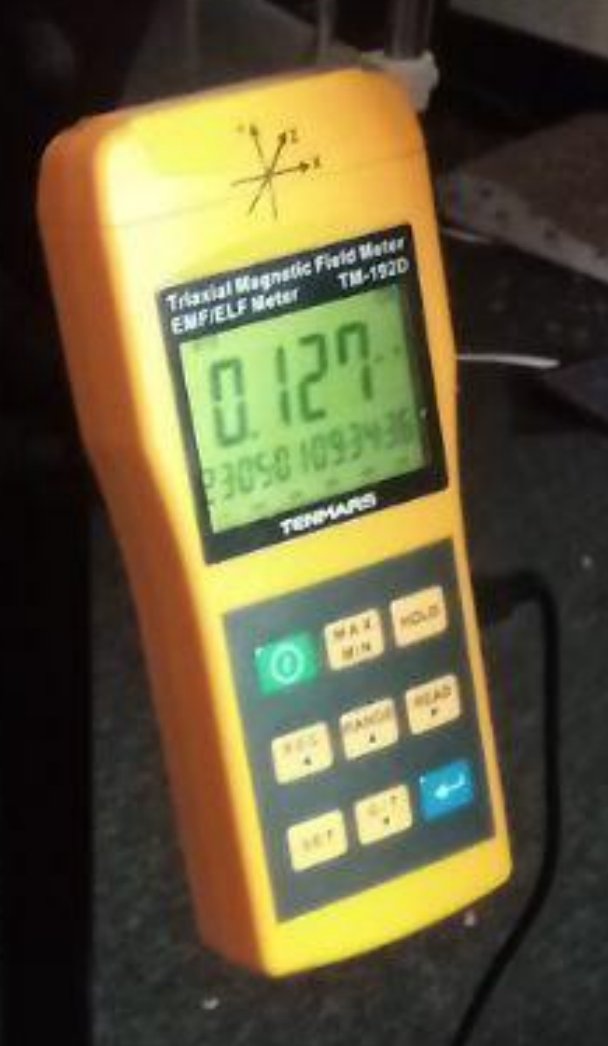
- TriField TM-192D Tri-axial ELF Magnetic Field Meter: Used for all measurements. Meter positioned approximately 4 ft 6 in (~1.4 m) from the Xfinity modem to reflect typical proximity in the living/sleeping environment.
- Datalogging: Utilized the meter's built-in memory (up to 9999 data sets) and bundled remote control software for PC-based capture via serial/USB interface. Software generated timestamped tri-axial (X, Y, Z) and composite XYZ readings in µT or mG.
- No additional sensors: Logging restricted to this ELF meter; no RF analyzers, HRV monitors, or other arrays were integrated.
Logging Approach
- Duration: Spanned multiple months, with intensive phases including continuous multi-day captures (e.g., over 8+ days in some sessions) and high-resolution sampling over extended periods (hundreds of thousands of points).
- Interval: Varied from seconds to minutes, depending on software setup, to document both baseline and transient elevations.
- Emotional Correlation: Subjective emotional states (e.g., motivation, drive, depressive symptoms) were noted informally in conjunction with logs, focusing on morning onset after observed high-exposure windows.
- No re-exposure: Post-mitigation (replacement with modem-only device and low-power WiFi bridge), no deliberate re-logging or return to original conditions occurred.
Results – Key Logging Observations and Charts
Pre-Mitigation ELF Readings
- Typical Baseline: Ambient levels often hovered around 0.1–0.5 µT (1–5 mG) when modem activity was low.
- High-Exposure Events: Recurring daily spikes were documented, most consistently around 10:00 AM CST – aligning precisely with the author's typical wake-up time. These events reached 15–20 mG (~1.5–2.0 µT), with some peaks up to approximately 1.645 µT in composite XYZ readings.
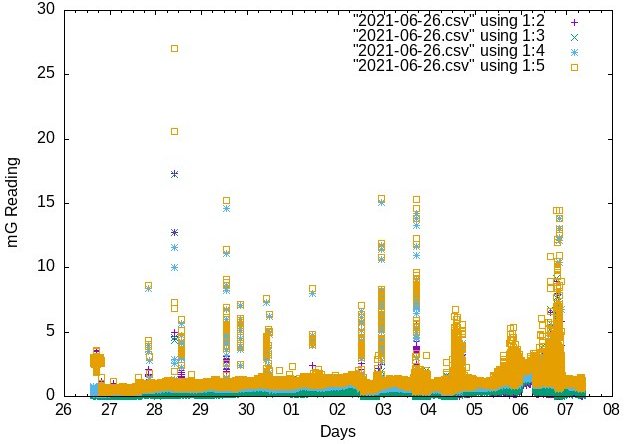
- Duration and Pattern: Spikes often sustained for periods on the order of hours (e.g., noted consistency of >1.5 µT for ~3600 seconds or 1 hour in some sessions). Multi-day scatter plots from .csv exports showed clusters of elevated daily maxima (5–15 mG common, with outliers to 25–30 mG).
- Example Snapshot Readings:
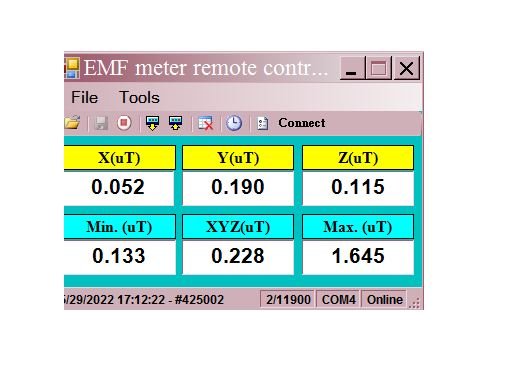
- One captured instance: Composite XYZ max 1.645 µT, with individual axes showing values like 0.052 µT (X), 0.190 µT (Y), 0.115 µT (Z) during lower phases.
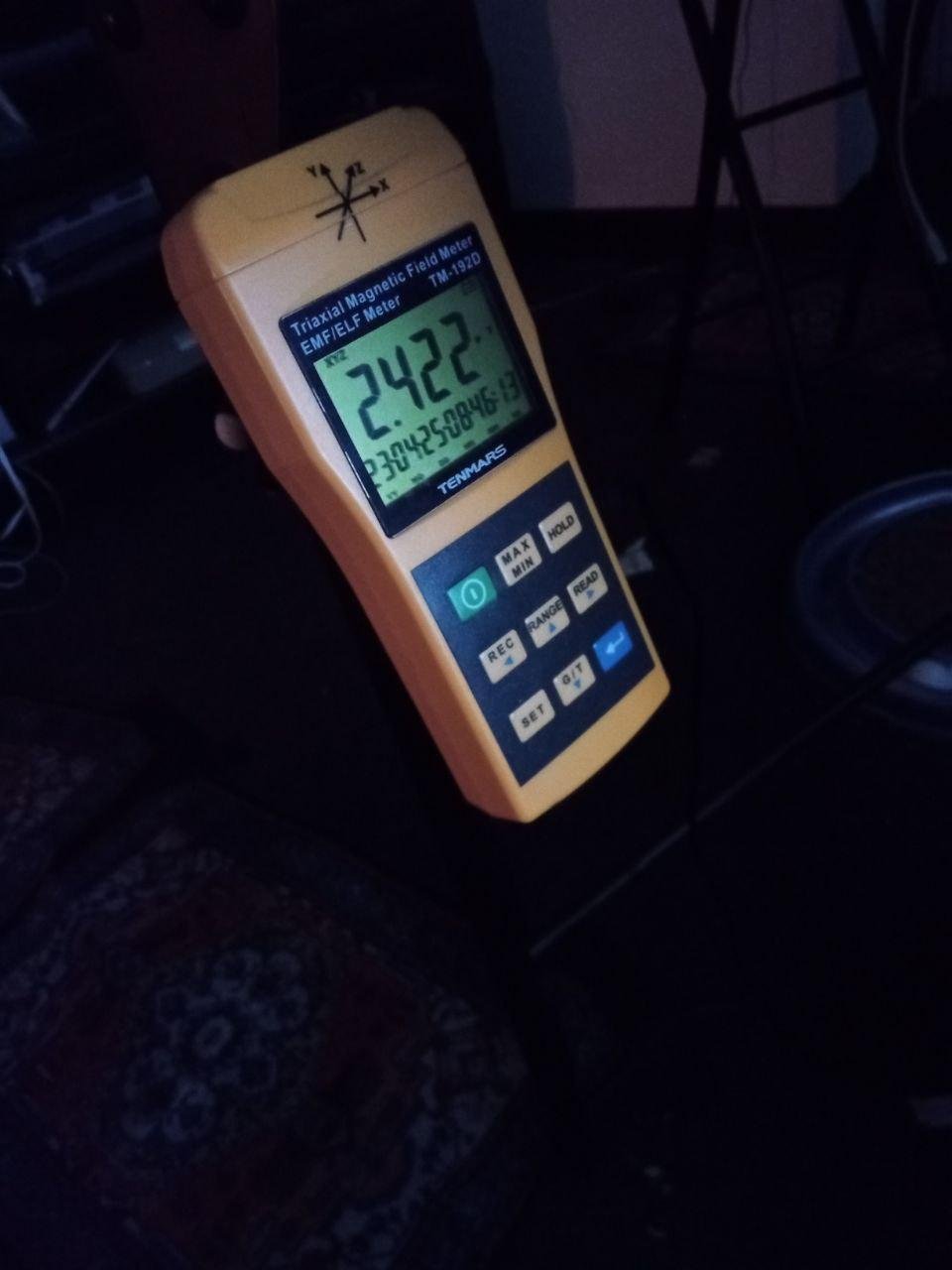
- High-exposure sample: Up to 24.22 µT displayed on meter during active modem conditions.
- Chart Insights:
- Scatter plots over days (e.g., June–July 2021 data from multiple files): Intermittent peaks clustered daily, with many points near baseline but recurring highs.
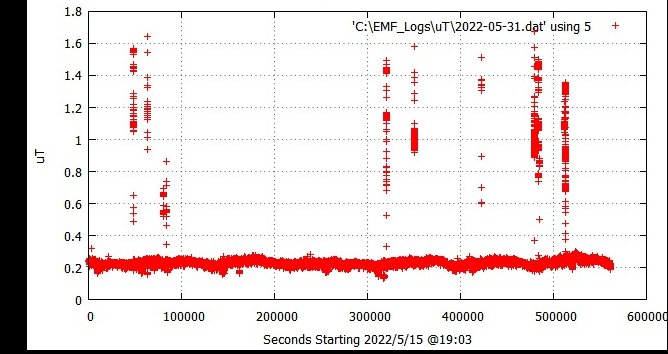
- High-resolution time-series (e.g., 2022 logs over ~600,000 samples): Baseline ~0.2–0.3 µT punctuated by repeated spikes to 0.8–1.6 µT, confirming pattern stability across weeks.
These morning elevations were subjectively most impactful, as the start of the day set the emotional tone – often resulting in diminished drive, slipping motivation, and depressive feelings that carried through.
Post-Mitigation Observations
- Immediate Drop: After disabling modem WiFi/hotspot features and installing a low-power WiFi bridge, single-point meter checks showed readings falling to 0.127 µT (from prior highs like 24.22 µT), representing a substantial reduction.
- Sustained Low Levels: Over the subsequent four years (through March 2026), ambient ELF remained low (<0.5 µT typical), with no recurrence of the morning high-exposure pattern.
- Emotional Correlation: Rapid shift to waking motivated and driven for daily activities, without the prior depressive onset.
Discussion – Observations Only
The logging consistently captured a repeatable high-ELF event every morning around 10:00 AM CST during the active modem period, with levels in the 15–20 mG (~1.5–2.0 µT) range. This timing overlapped directly with wake-up, a period noted as crucial for establishing daily emotional state. No RF or signal strength data was collected to attribute cause beyond the observed correlation with modem presence. The data underscores the value of extended logging to reveal chronic daily patterns that single measurements miss. Post-change stability over years highlights the potential for simple equipment adjustments to alter exposure profiles, though this remains a personal anecdote without controlled replication.
Conclusion
These self-logging records, drawn solely from TriField TM-192D ELF measurements over months, document recurring morning elevations around 10:00 AM CST (15–20 mG / ~1.6 µT) during Xfinity modem use, aligned with subjective emotional challenges at day's start. Mitigation yielded lasting low readings and improved states. This limited dataset encourages awareness of potential daily ELF patterns from such devices and supports cautious, equipment-based personal monitoring for those noting similar sensitivities. No further exposure or logging under original conditions is planned or recommended.
Images and charts: